
 Content Writer: Janice Chew • Thursday, 26/05/2026 - 13:36:12 - PM
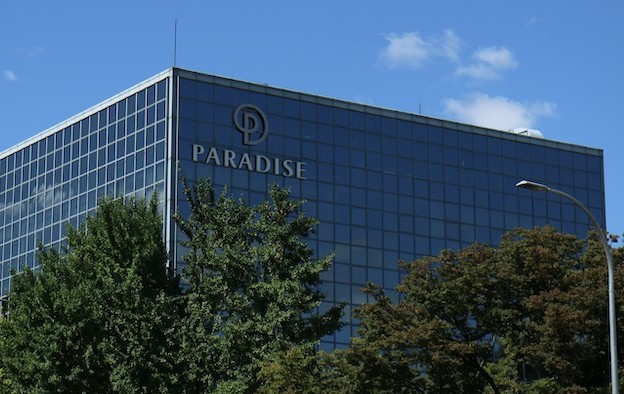
Paradise Co has signed a memorandum of understanding with the UNLV William F. Harrah College of Hospitality to strengthen Korea’s integrated resort talent pipeline and improve the competitiveness of the country’s IR industry. The MOU was signed on 12 May 2026 and includes student and faculty exchange programmes, joint research, short-term academic programmes, cultural exchange, executive education, and industry workshops.
What Happened
Paradise Co is working with UNLV to develop stronger education, research, and professional training links for the integrated resort industry.
This is important because UNLV is based in Las Vegas, one of the world’s most mature IR markets, and its hospitality school is widely connected to gaming, hotels, entertainment, tourism, and resort operations.
For Paradise, this partnership is not only about education. It is a long-term competitiveness move.

Why This Matters
Korea’s integrated resort industry is becoming more competitive, but it still faces pressure from Macau, Singapore, the Philippines, Japan, and future IR markets in Asia.
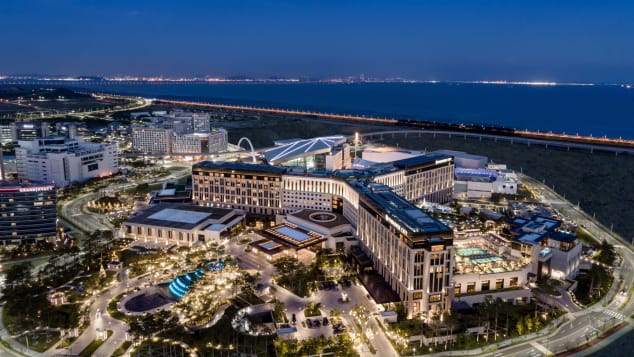
Paradise City is one of Korea’s most important IR assets. It is described by Korea Tourism Organization as Korea’s first integrated resort, combining hotel, casino, shopping, spa, entertainment, and club facilities.
To compete regionally, Korea needs more than buildings. It needs people who understand premium hospitality, casino operations, tourism marketing, compliance, entertainment programming, digital systems, and customer experience.
Talent Is the Real Infrastructure
Many IR discussions focus on hardware: hotel rooms, casino tables, retail space, entertainment venues, and airport access.
But the more important infrastructure is talent.
A strong IR needs trained hosts, casino managers, hotel operators, F&B leaders, marketers, data analysts, compliance specialists, event planners, and digital product teams.
This is where the UNLV partnership becomes meaningful. It can help Paradise build a stronger talent engine instead of relying only on hiring from the market.
The Marketing Angle
From a marketing perspective, the partnership gives Paradise a stronger brand story.
It shows that Paradise is not only operating casinos and hotels, but also investing in the future of Korea’s IR industry.
This matters for three audiences.
For customers, it supports trust and service quality.
For employees, it creates career development and international exposure.
For regulators and tourism stakeholders, it shows commitment to responsible, professional, and sustainable industry development.
In a competitive IR market, employer branding is also customer branding. A resort that attracts and trains better people can deliver better guest experiences.
The Digital and Web Application Angle
From a web application and digital transformation point of view, this partnership can create even greater value if Paradise connects education with real operational data.
The future IR workforce must understand digital tools, not only traditional hospitality.
Paradise should use this partnership to develop training around:
- CRM and player segmentation;
- hotel-casino data integration;
- responsible gaming technology;
- customer journey mapping;
- loyalty programme design;
- event and entertainment analytics;
- AI-assisted guest service;
- cybersecurity and data privacy;
- digital marketing automation;
- mobile-first guest experience.
This is where many traditional operators fall behind. They train people for the floor, but not enough for the digital operating model.
Original Insight: Korea Needs an IR Academy Mindset
The biggest opportunity is for Paradise to go beyond a simple academic partnership.
It could build an internal Paradise IR Academy supported by UNLV content, research, and executive education.
This academy could train future leaders across casino, hotel, entertainment, compliance, marketing, and digital departments.
It could also create a structured career path for young Korean talent who want to enter the IR industry.
That would help solve a long-term industry problem: integrated resorts need multi-skilled professionals, but most people are still trained in separate silos.
Why This Is Strategically Important for Korea
Korea’s IR industry is at a crossroads. Regional competition is rising, and Japan’s Osaka IR will become a major new competitor in the future. Industry observers have already noted that Korea needs stronger tourism integration and more competitive IR development to avoid falling behind regional rivals.
This makes the Paradise–UNLV partnership timely.
If Korea wants to strengthen its IR position, it must improve not only infrastructure and policy, but also human capital.
A better-trained workforce can improve service standards, guest retention, operational efficiency, compliance culture, and international competitiveness.
Community and Industry Value
The partnership can also create wider industry value beyond Paradise.
Student exchanges, research projects, internships, and executive workshops can help build stronger links between Korea’s tourism sector, universities, regulators, and operators.
This can support a healthier IR ecosystem.
Instead of every operator training staff separately, Korea can move toward a more professional industry-wide talent model.
What Other Asian IRs Can Learn
Other integrated resorts should pay attention to this move.
The next stage of IR competition will not only be about who has the biggest property or the newest casino floor.
It will be about who has the best people, strongest training systems, smartest data culture, and most consistent guest experience.
For operators in Macau, Singapore, the Philippines, Thailand, Vietnam, and Japan, the lesson is clear: talent development must be treated as a strategic investment, not an HR cost.
Final Thought
Paradise Co’s partnership with UNLV is a smart long-term move for Korea’s integrated resort industry.
It connects Korea’s IR ambitions with Las Vegas hospitality and gaming expertise, while creating opportunities for education, research, executive training, and global exposure.
The real value will come if Paradise turns this partnership into a practical operating advantage: better-trained staff, stronger leadership, smarter digital capability, and a more professional IR ecosystem.
In the long run, Korea’s competitiveness will not be decided only by resort buildings. It will be decided by the quality of people who operate them.