Melco Resorts & Entertainment is placing its confidence in “smart” gaming tables as a transformative tool in Macau, though elevated player reinvestment continues to temper the benefits, according to Seaport Research Partners. At Seaport’s 2025 Annual Summer Conference, Vitaly Umansky highlighted management’s view that with full implementation by March, these smart tables are starting to yield richer data—information that, over time, should yield better understanding of customer behaviors, spending habits, and player value. However, Melco acknowledges that it's still early days in harnessing these insights—more time and accumulation of data will be needed for these analytics to reach full meaningfulness.
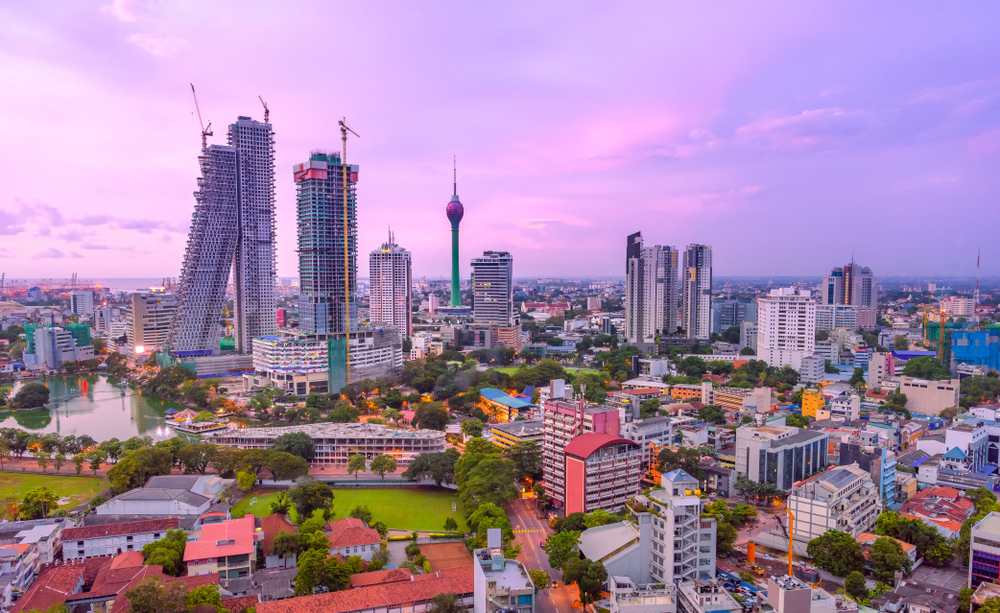
On August 21, 2025, Sri Lanka’s Parliament passed the Gambling Regulatory Authority Bill in its second reading, paving the way for comprehensive reform of the country’s gambling sector. Once signed by the Parliamentary Speaker, it will take effect as the Gambling Regulatory Authority Act.
Australia-listed gaming and hospitality operator Donaco International Ltd is set to be delisted from the Australian Securities Exchange (ASX) on August 20, 2025, following its full acquisition by On Nut Road Ltd (ONR)—a special-purpose vehicle tied to Argyle Street Management of Hong Kong.

Sands China has officially launched ticket sales for the upcoming NBA China Games—part of its most ambitious non‑gaming venture yet—underscoring Macau’s strategic shift toward sports‑driven tourism and economic diversification.

In a landmark move, Shikenso, the AI-driven leader in sponsorship measurement, has been named the Official Sponsorship Analytics Provider for the Esports World Cup 2025 (EWC 2025)—marking the most comprehensive deployment of sponsorship analytics in esports history.
 Author: Janice Chew • Thursday, 21/08/2025